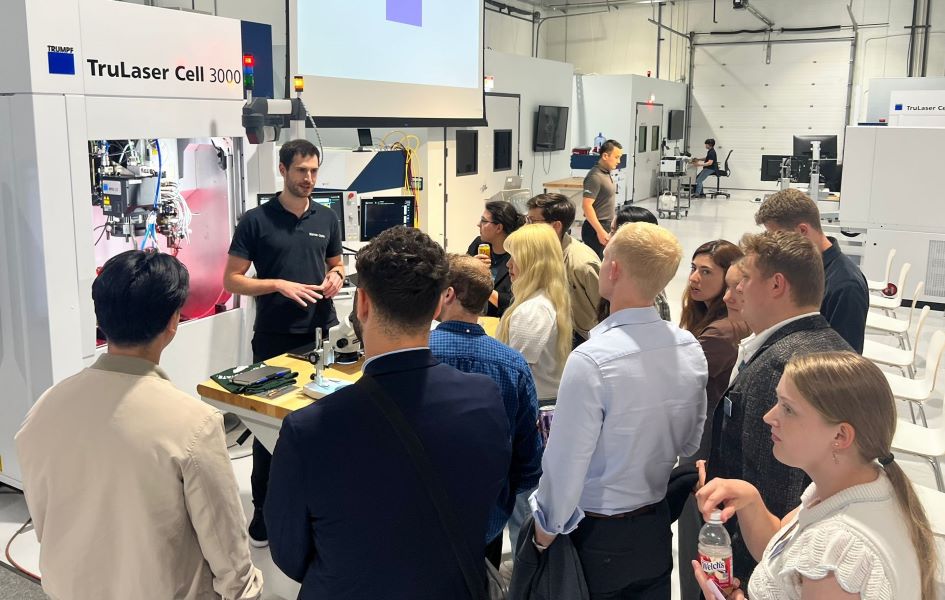
The Global Young Professional Program (GYPP) is a one-semester academic and professional development experience designed for both undergraduate and graduate students who want to gain a unique competitive edge in today’s global marketplace.
In collaboration with MSU academic departments, the program provides:
Students may enroll in VIPP signature courses such as:
Students who wish to take MSU credit-bearing courses may enroll as Lifelong Learning students (subject to departmental approval and additional fee).
For groups, tailor-made academic courses in relevant disciplinary areas are also available.
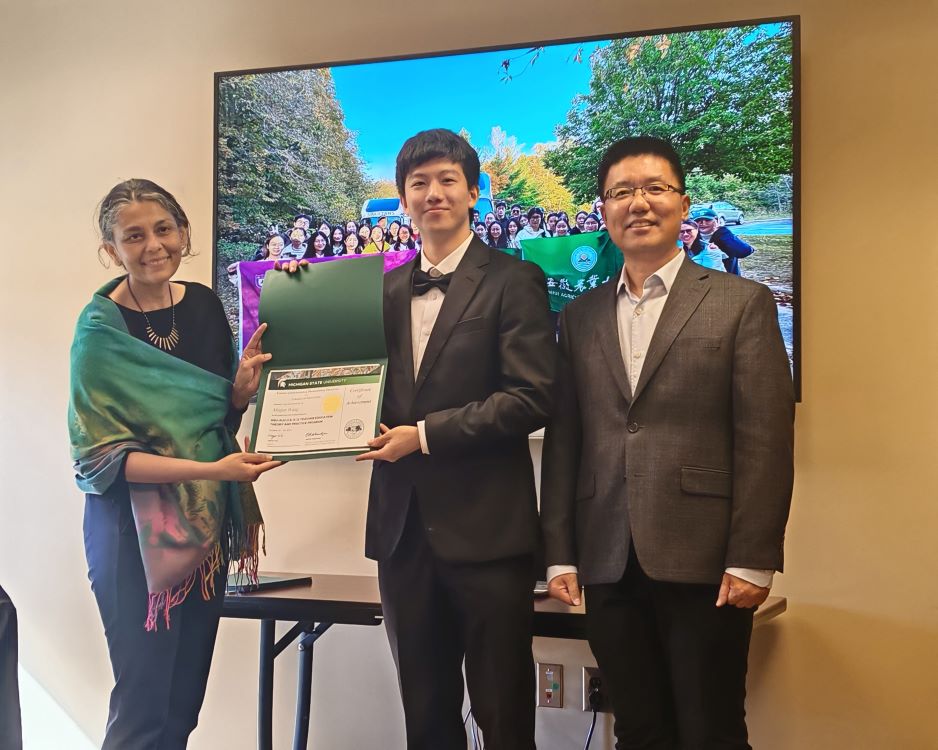
Upon successful completion, participants will receive an MSU Global Professional Certificate, equipping them with the skills, experiences, and global perspective needed to advance their academic and professional careers.
In partnership with Anhui Agricultural University (AAU), a specialized GYPP track has been developed for 30 AAU graduate students. This program emphasizes agricultural practices and research, combining classroom learning, field experiences, and cultural immersion.
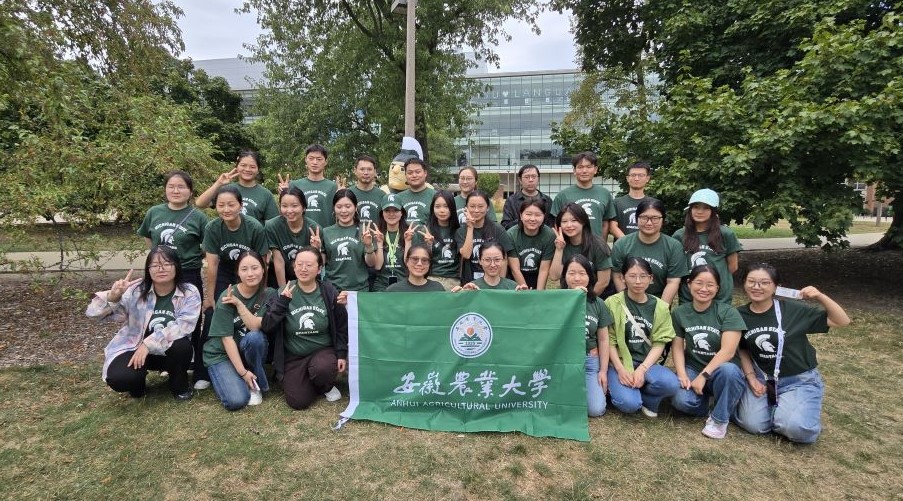
Academic Learning: Explore U.S. Agriculture
Students will gain foundational insights into American agriculture through expert-led workshops on:
Agriculture Theory and Practice Lecture Series Flyer (PDF)
Industry Visits: Connect Theory with Practice
Participants will experience U.S. agriculture in action through site visits, including:
Cultural Immersion: Discover the U.S. Midwest
Students will explore the cultural richness of Michigan and the Midwest through:
In partnership with Nanjing University (NJU), a specialized short training program has been developed for 16 NJU graduate students and faculty. This program emphasizes U.S. K12 Teacher Education Theory and Practice Program, combining classroom learning, field experiences, and cultural immersion.
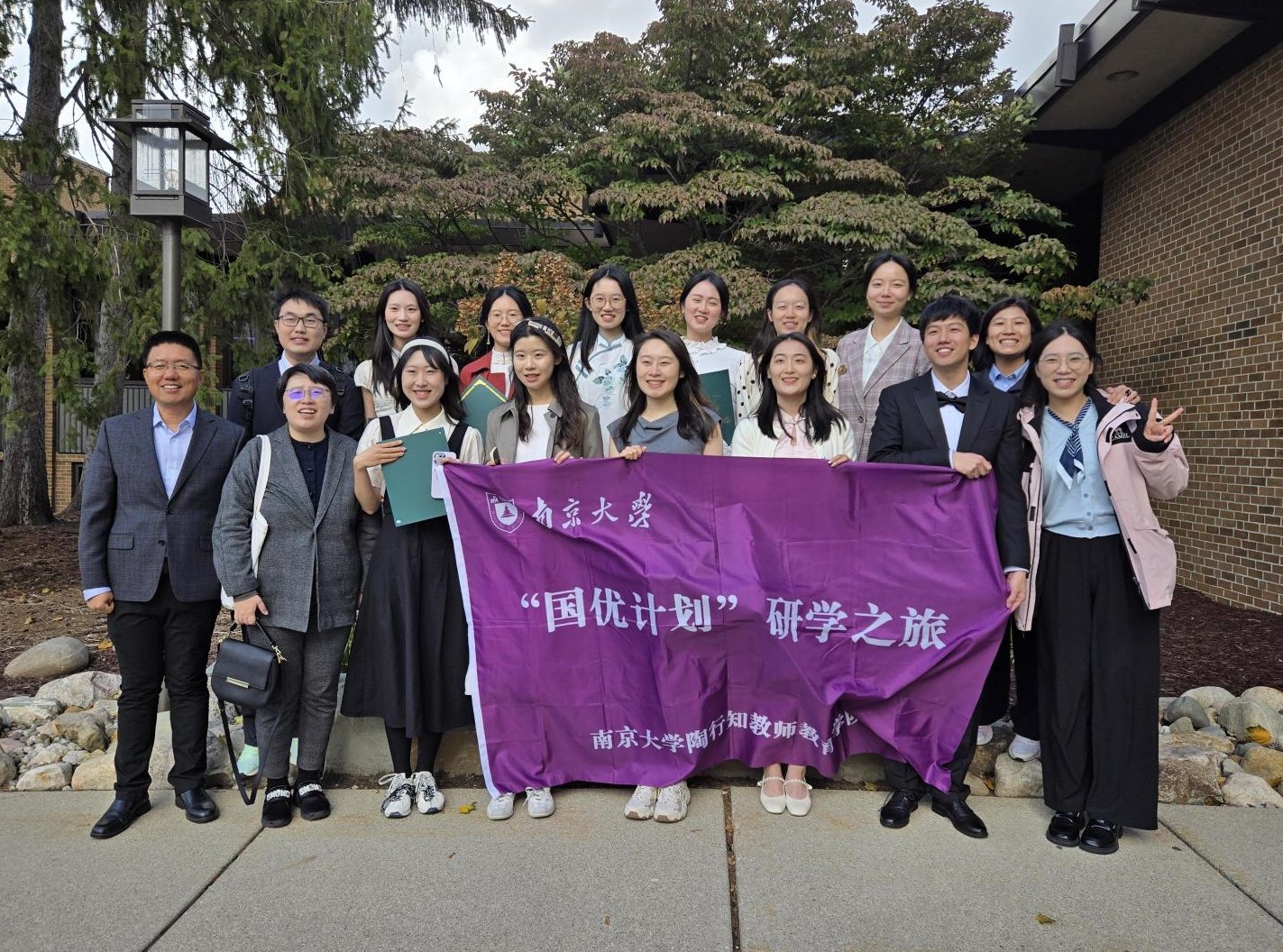
Academic Learning: Understanding the U.S. K-12 Teacher Education Theory and Practice
Students will gain foundational insights into American teacher education system through expert-led workshops, seminars, and panel discussions on:
K12 School Visits: Field Experiences and Professional Engagement
Cultural Immersion: Discover the U.S. Midwest
Students will have the opportunity to experience the cultural richness and natural beauty of Michigan and the broader Midwest through a series of educational and recreational activities, including:
Through these activities, students will not only broaden their global perspectives but also deepen their understanding of American society, history, and everyday life.

My time as a visiting student at Michigan State University (MSU) has been a journey filled with growth, inspiration, and unforgettable memories. Academically, I was deeply impressed by the university’s open and engaging learning atmosphere. Professors encouraged us to think critically, express our ideas freely, and explore topics from multiple perspectives. Through this process, I not only gained new knowledge but also developed a broader mindset and greater confidence in academic communication.
Life at MSU was equally enriching. The campus, with its tranquil lakes, tree-lined paths, and lively squirrels, exudes a calm yet vibrant energy. Beyond our studies, my friends and I often cooked together, biked across campus, and enjoyed quiet walks in the evening. These ordinary yet heartwarming moments made our days abroad both fulfilling and memorable.
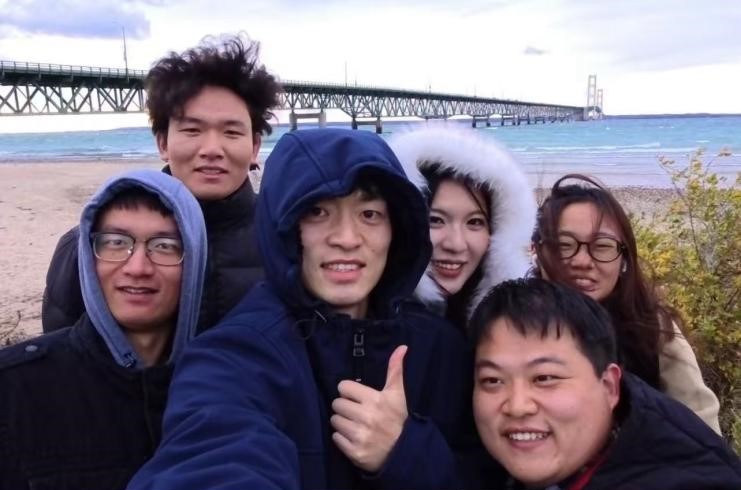
Our trips beyond East Lansing also left a lasting impression. In Chicago, we admired the dazzling skyline, wandered along Lake Michigan, and experienced the dynamic rhythm of a modern metropolis. In contrast, our journey to Mackinac Island offered peace and serenity—cycling around the island, feeling the gentle lake breeze, and watching the horizon where water meets sky created an almost poetic sense of freedom.
This visiting experience has broadened my vision, deepened my understanding of different cultures, and strengthened my appreciation for friendship and connection. The days at MSU will always remain a bright and cherished chapter in my life.
 Jingtong Hu
Having spent over a month as a visiting scholar at Michigan State University (MSU), I have gradually come to appreciate the distinctive role of a “land-grant university” within the U.S. higher education system. MSU not only shoulders the missions of teaching and research but also plays an essential role in serving the community and contributing to social development—from agricultural extension and public health to local economic growth. This “university–society symbiosis” stands in sharp contrast to many Chinese universities, which primarily emphasize academic research and talent cultivation. It showed me another dimension of higher education—where knowledge extends beyond campus boundaries and transforms into concrete actions and public value.
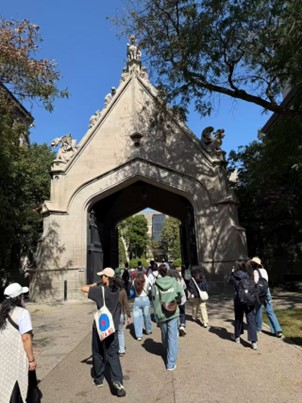
During my stay, I also visited the University of Chicago and the University of Michigan in Ann Arbor. The vibrant research environments, open academic cultures, and interdisciplinary exchanges at these world-class institutions deepened my understanding of the breadth and depth of scholarship. The distinct academic philosophies and campus cultures of each school offered valuable inspiration for my own research path and academic aspirations.
In MSU classrooms, I found professors to be friendly, engaging, and thought-provoking. They focus more on guiding students to think critically and participate in dialogue rather than simply delivering information. Compared with the Chinese classroom style—which emphasizes systematic instruction and mastery of knowledge—MSU’s approach values independent thinking and critical reflection.
 Qingyue Zhang
My experience studying at Michigan State University gave me a more direct and profound understanding of world-class agricultural research and teaching.
During the exchange, we systematically visited several teaching and research facilities. In the Plant and Soil Sciences Building, we witnessed advanced molecular biology laboratories and gained new insights into the cutting-edge developments in research. Subsequently, at the MSU Horticulture Teaching and Research Center, we gained an in-depth understanding of the production process of organic fruits and vegetables, and their eco-friendly planting philosophy deeply inspired me. Furthermore, the visit to the Turfgrass Research Center allowed us to appreciate the precision and rigor of basic and applied research.
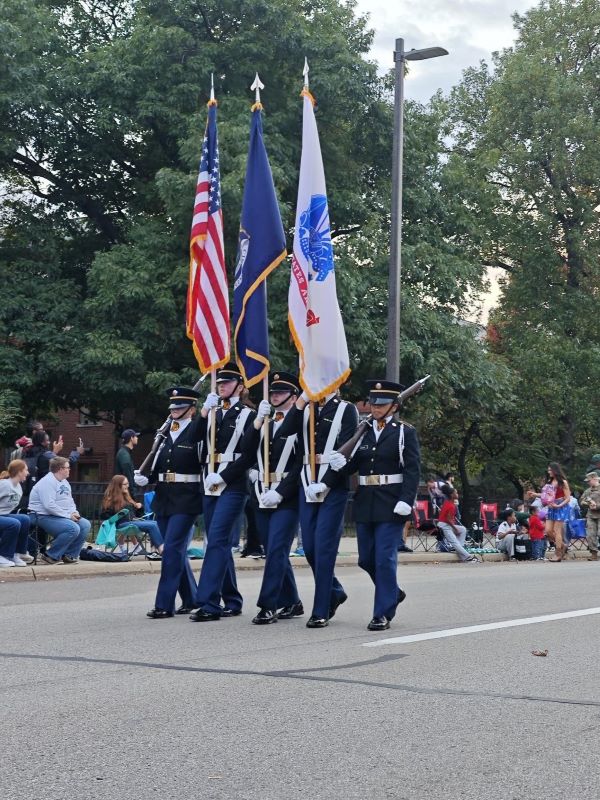
Beyond our studies, we also immersed ourselves in the rich campus culture. A visit to the University of Michigan, Ann Arbor, allowed us to experience the academic heritage and campus scenery of a different prestigious university. Participating in Michigan State University's grand homecoming parade further integrated us into the vitality and enthusiasm of this "Big Ten" university.
This exchange activity not only broadened my international horizons and allowed me to learn advanced agricultural knowledge and technologies, but also fostered friendship between the two universities. I sincerely thank my alma mater, Anhui Agricultural University, and Michigan State University for providing this valuable opportunity. I will transform what I have learned and experienced into motivation for future academic research and development.
Individual program fee starts at $5000 per person depending on program features.
To apply for GYPP as an individual please complete the online application form. For details about the application process, visit our application page. For inquiries about group programs please email and learn more on the "Partner with Us" tab above.

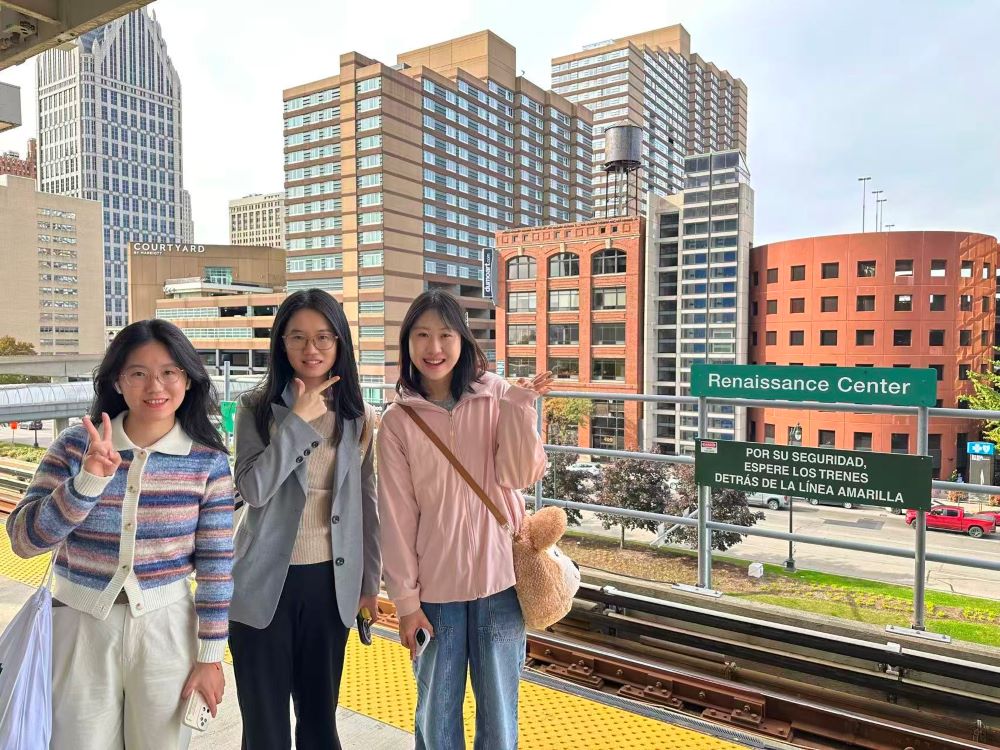
GYPP is built on collaboration. We work with universities, government agencies, and industry partners worldwide to design customized academic and professional training experiences for your students.
Why Partner with Us?
Partnership Models
Let’s Build the Future Together
We welcome collaborations with forward-thinking institutions seeking to prepare your students for the future of a global workforce.
Contact Information

2026 Global Summer School Brochure

Bolashak Program

VIPP Strategic Plan
Bold Goals Toward 2030

VIPP Program Brochure


